
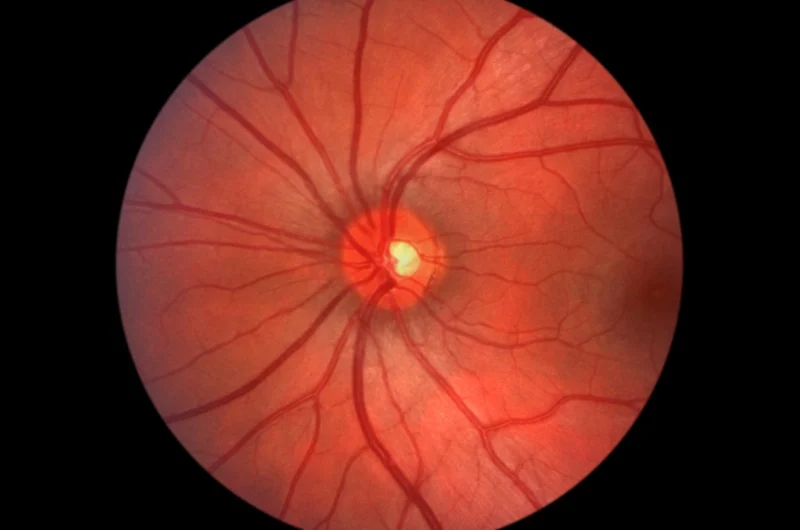
Protecting Your Optic Nerve Before Vision Is Lost
Glaucoma damages the optic nerve slowly and often without symptoms, so many people don’t know they have it until some vision is already gone. At Bellevue Eye Care in Nashville, TN , our eye doctors screen for glaucoma during routine exams, measure how it is progressing, and build a management plan that helps preserve the vision you have. Finding glaucoma early gives you the best chance of keeping it from affecting your daily life.
Book OnlineWhat Is Glaucoma?
Glaucoma is a group of eye diseases that damage the optic nerve. This nerve carries visual information from the eye to the brain. The damage is often linked to elevated pressure inside the eye, but glaucoma can also develop when eye pressure is in the normal range. Once optic nerve fibers are lost, that vision cannot be restored. This is why early detection matters so much.
There is no cure for glaucoma, but it can be managed. With proper treatment and regular monitoring, most patients can slow or halt further damage and keep useful vision for life. Glaucoma is one of several conditions we diagnose and monitor. You can see the full list on our eye conditions page.
Common Types of Glaucoma
- Open-angle glaucoma: The most common form. It progresses gradually and usually causes no pain or early warning signs.
- Angle-closure glaucoma: Occurs when the drainage angle of the eye becomes blocked. An acute attack can raise eye pressure quickly and is a medical emergency.
- Normal-tension glaucoma: Optic nerve damage happens even though eye pressure stays within the normal range.
- Secondary glaucoma: Develops as a result of another factor, such as an eye injury, inflammation, certain medications or other eye conditions.
Symptoms and Warning Signs
In its early stages, open-angle glaucoma typically has no noticeable symptoms. Peripheral (side) vision fades so gradually that the brain fills in the gaps. As the disease advances, you may notice:
- Patchy blind spots in your side or central vision
- Tunnel vision in advanced stages
- Difficulty seeing in dim lighting
Angle-closure glaucoma can come on suddenly with severe eye pain, headache, blurred vision, halos around lights, red eyes, nausea or vomiting. If you experience these symptoms, call us at (615) 662-7588 or seek emergency care right away.
Who Is at Higher Risk?
Anyone can develop glaucoma, but your risk is higher if you:
- Are over age 60, or over 40 with other risk factors
- Have a family history of glaucoma
- Are of African, Hispanic or Asian descent
- Have diabetes, high blood pressure or heart disease
- Are very nearsighted or farsighted
- Have had an eye injury or long-term steroid use
- Have thin corneas or high eye pressure
Patients with diabetes should also keep up with diabetic eye care visits. Diabetes increases the risk of glaucoma along with diabetic retinopathy.
How We Test for Glaucoma
Glaucoma screening is part of every comprehensive eye exam at our office. Because no single test confirms glaucoma, our doctors look at several measurements together. A glaucoma evaluation can include:
- Measuring the pressure inside your eye (tonometry)
- Examining the optic nerve for changes in shape or color
- Visual field testing to check for loss of peripheral vision
- Measuring corneal thickness, which affects pressure readings
- Checking the drainage angle where fluid leaves the eye
These results establish a baseline, so future visits can show whether anything is changing. The same exam also helps us check for other age-related concerns such as cataracts and age-related macular degeneration.
Managing Glaucoma
Treatment depends on the type and stage of glaucoma and how your eyes respond over time. The goal is to lower eye pressure to a level that protects the optic nerve. Options may include:
- Prescription eye drops: The most common first step. They lower pressure by reducing fluid production or improving drainage.
- Oral medications: Sometimes used when drops alone are not enough.
- Laser or surgical procedures: When needed, we coordinate care with a trusted glaucoma specialist and continue to follow your progress.
Using your drops exactly as prescribed is one of the most important parts of glaucoma care. Some glaucoma drops can make the eyes feel dry or irritated. If you notice this, let us know, because we also provide dry eye treatment that can make long-term therapy more comfortable. Regular follow-up visits let our doctors confirm your treatment is working and adjust your plan when needed.
Living Well With Glaucoma
Most people with glaucoma continue to drive, work and enjoy their usual activities. If glaucoma has already affected some of your vision, our low vision services can help you make the most of the sight you have. You can learn more about our doctors on the Meet Our Team page. If you’re visiting for the first time, our new patients page explains what to expect. We also offer payment plans to help make ongoing care manageable.
Glaucoma Questions We Hear Often
Can glaucoma be cured?
There is no cure for glaucoma, and vision lost to optic nerve damage cannot be restored. However, treatment can slow or stop further damage. With early detection and consistent care, most patients keep useful vision for life.
Will I notice symptoms if I have glaucoma?
Usually not in the early stages. The most common type, open-angle glaucoma, causes gradual loss of side vision that often goes unnoticed until the disease is advanced. Routine eye exams are the most reliable way to catch it early.
How often should I be checked for glaucoma?
Most adults should have a comprehensive eye exam every one to two years. If you are over 60, have a family history of glaucoma, have diabetes or have other risk factors, our doctors may recommend yearly exams or more frequent monitoring.
Does high eye pressure mean I have glaucoma?
Not necessarily. Some people have higher-than-average eye pressure without optic nerve damage, a condition called ocular hypertension. Others develop glaucoma with normal pressure. That’s why we evaluate the optic nerve and visual field in addition to pressure.
What should I do if I suddenly have eye pain and blurred vision?
Sudden eye pain, headache, blurred vision, halos around lights, redness or nausea can signal acute angle-closure glaucoma. This is an emergency. Call Bellevue Eye Care at (615) 662-7588 right away or go to the nearest emergency room.
Do I need to use glaucoma eye drops forever?
For most patients, glaucoma treatment is long-term. Stopping drops can allow eye pressure to rise again and cause further damage. Never stop or change your medication without talking to your eye doctor first.
Can I still wear contact lenses if I have glaucoma?
Many glaucoma patients wear contacts comfortably. Some eye drops need to be used with lenses removed, so we’ll explain how to time your drops and lens wear. Our doctors can help you choose the right contact lenses for your eyes.
Schedule Your Glaucoma Screening Today
Glaucoma can take vision quietly, but early detection puts you in control. Whether you have risk factors, a family history or simply haven’t had an eye exam in a while, our team at Bellevue Eye Care is here to help protect your sight. Call (615) 662-7588 or request an appointment online.