
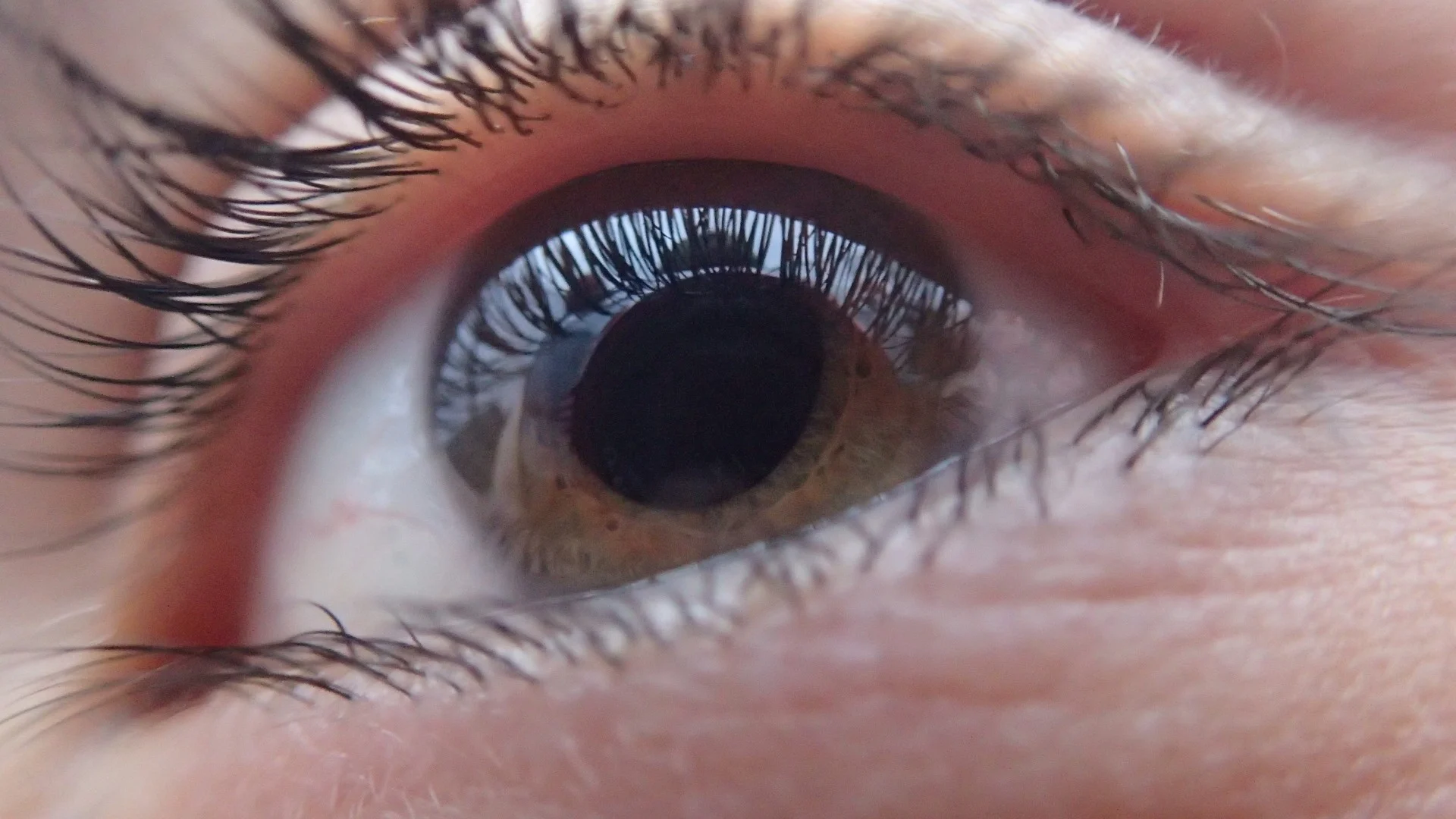
Fast Relief for a Painful, Inflamed Cornea
Keratitis is inflammation of the cornea, the clear dome at the front of your eye. It can cause eye pain, redness, blurred vision, tearing and strong sensitivity to light. At Bellevue Eye Care in Nashville, TN , we find the cause of your keratitis and start the right treatment quickly to protect your vision and help your eye heal.
Book OnlineWhat Is Keratitis?
The cornea focuses light into your eye and shields the structures behind it. When the cornea becomes inflamed, it can swell, cloud and become very painful. Some cases are mild and clear up quickly. Others, especially infections, can scar the cornea and permanently affect your sight if they are not treated. Keratitis is one of many eye conditions we diagnose and manage at our Bellevue office.
Common Symptoms of Keratitis
- Eye pain that ranges from mild irritation to severe pain
- Redness in one or both eyes
- Blurred or reduced vision
- Sensitivity to light
- Watery eyes or excessive tearing
- Discharge from the eye
- A gritty feeling, as if something is stuck in your eye
- Trouble opening the eyelid because of pain or irritation
These symptoms can look like conjunctivitis or eye allergies. Keratitis is usually more painful and more likely to affect your vision. If your eye is red and painful, or your vision changes, have it examined right away.
What Causes Keratitis?
Keratitis has two main groups of causes: infectious and noninfectious.
Infectious keratitis includes:
- Bacterial keratitis, often linked to wearing contact lenses too long or sleeping in them
- Viral keratitis, most often caused by the herpes simplex virus or the shingles virus
- Fungal keratitis, which can follow an eye injury involving plant material
- Acanthamoeba keratitis, a rare but serious infection linked to contact lenses exposed to tap water, pools or hot tubs
Noninfectious keratitis can come from:
- A scratch or injury to the cornea, such as a corneal abrasion
- Severe dry eye that leaves the cornea unprotected
- A foreign body lodged in the eye
- Overexposure to ultraviolet light from the sun, snow or tanning beds
- Overwearing contact lenses, which can starve the cornea of oxygen
- Certain underlying medical conditions, including autoimmune diseases
Who Is at Higher Risk?
Contact lens wearers have the highest risk, especially people who sleep in their lenses, skip cleaning, or rinse lenses or cases with water. Other risks include dry eye, recent eye injury, a weakened immune system, past herpes eye infections and long-term use of steroid eye drops.
How We Diagnose Keratitis
Your optometrist starts with your symptoms, contact lens habits and any recent injuries. A slit lamp microscope lets us examine the cornea under high magnification. A special dye called fluorescein highlights damaged areas of the corneal surface. When an infection is suspected, we may take a small sample to identify the organism so treatment can be targeted. Many corneal problems are first spotted during a comprehensive eye exam.
Keratitis Treatment Options
Treatment depends on the cause:
- Bacterial infections are treated with antibiotic eye drops, sometimes applied often at first.
- Viral infections are treated with antiviral eye drops or oral antiviral medication.
- Fungal and Acanthamoeba infections need specific antifungal or antiparasitic medications and close follow-up.
- Foreign bodies are carefully removed from the eye.
- Dry eye-related keratitis is treated with lubricating drops and therapies that improve tear quality and production.
- Inflammation may be eased with steroid eye drops in carefully selected cases. Steroids can worsen some infections, so they are only used under close supervision.
If you wear contacts, stop wearing them until your eye has fully healed and your eye doctor says it is safe to start again. Follow-up visits let us confirm the infection has cleared and check for scarring.
Protecting Your Corneas
- Never sleep in contact lenses unless they are prescribed for overnight wear.
- Keep water away from your lenses and lens case, and replace the case regularly.
- Wash and dry your hands before touching your eyes or lenses.
- Wear protective eyewear for yard work, sports and home projects.
- Wear UV-blocking sunglasses outdoors.
- Treat dry eye early instead of waiting for it to damage the cornea.
Prompt care is the best way to prevent lasting damage. Our eye care team sees patients from Bellevue and the greater Nashville area. If you are new to our practice, visit our new patients page to get ready for your visit.
Keratitis Questions Our Patients Ask
Is keratitis contagious?
Noninfectious keratitis, such as keratitis caused by injury or dry eye, is not contagious. Infectious keratitis caused by viruses or bacteria can sometimes spread through contact with eye discharge, so wash your hands often and do not share towels or eye makeup.
How is keratitis different from pink eye?
Pink eye affects the conjunctiva, the thin tissue covering the white of the eye and inner eyelids. Keratitis affects the cornea. Keratitis usually causes more pain, light sensitivity and blurred vision, and it carries a higher risk to your sight.
Can keratitis go away on its own?
Very mild noninfectious keratitis can sometimes improve once the cause is removed. Infectious keratitis needs treatment and can worsen quickly. Because it is hard to tell the difference at home, have any painful red eye examined promptly.
How long does keratitis take to heal?
Mild cases often improve within a few days to a week of treatment. Fungal, Acanthamoeba and some viral infections can take weeks or longer. Your eye doctor will monitor your progress with follow-up visits.
Can I wear my contact lenses if I have keratitis?
No. Stop wearing contacts as soon as you notice symptoms and keep them out until your eye doctor confirms your cornea has healed. Throw away the lenses and case you were using to avoid reinfection.
Can keratitis cause permanent vision loss?
Untreated or severe keratitis can scar the cornea and permanently reduce vision. Early diagnosis and the right treatment greatly lower that risk, which is why prompt care matters.
When should I see an eye doctor for keratitis symptoms?
Call us right away if you have eye pain, redness, blurred vision or light sensitivity, especially if you wear contact lenses or recently injured your eye. These symptoms should not wait for a routine appointment.
Get Your Eye Checked Before It Gets Worse
Keratitis responds best to early treatment. If your eye is painful, red or sensitive to light, call Bellevue Eye Care at (615) 662-7588 or request an appointment online. Our team in Nashville, TN will find the cause and help your eye heal comfortably. You can also contact us with questions.