
Clearer Sight Starts With the Right Diagnosis
Blurry distance vision, squinting at your phone, headaches after reading or a child who struggles to see the board are often signs of a vision disorder that can be corrected. At Bellevue Eye Care in Nashville, TN , we find the cause of your vision problems, measure your prescription precisely and match you with glasses, contact lenses or a management plan that fits your eyes and your daily life.
Book Online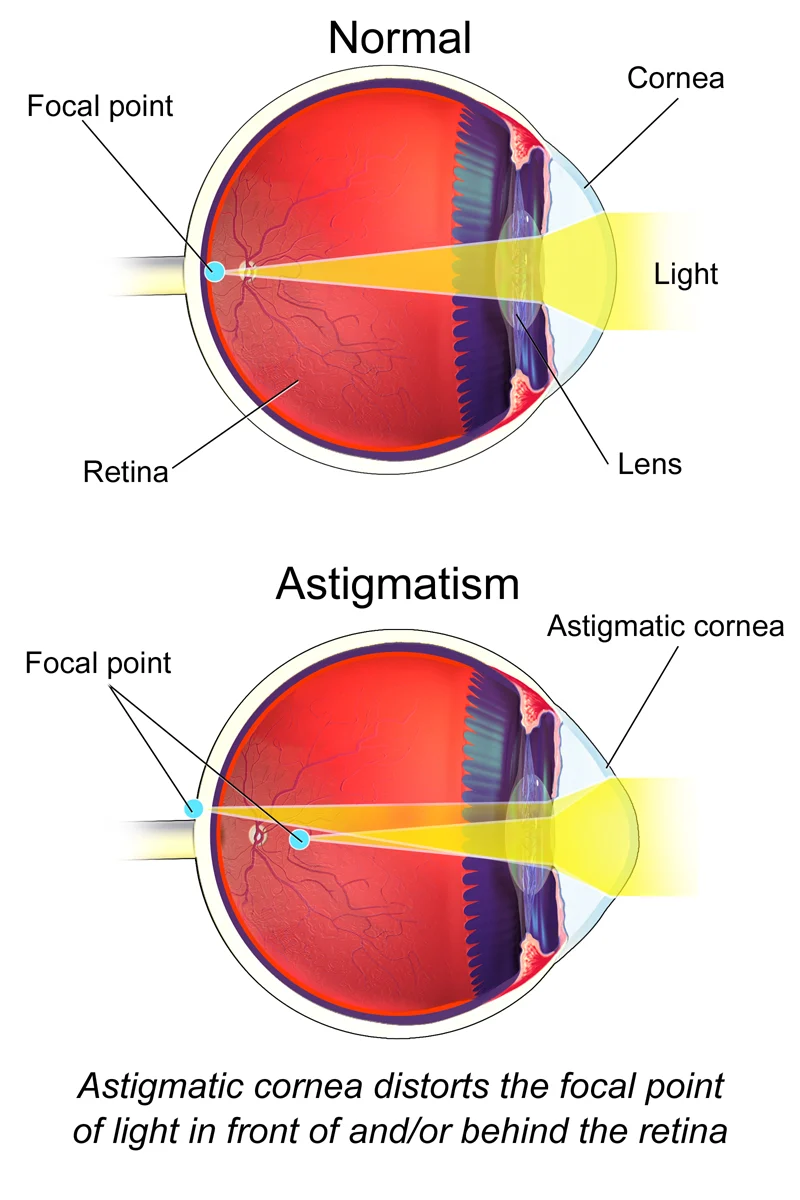
Astigmatism Treatment in Nashville, TN
Astigmatism is one of the most common reasons people see blurry or stretched-out images, squint at road signs or end the day with a headache. At…
Read More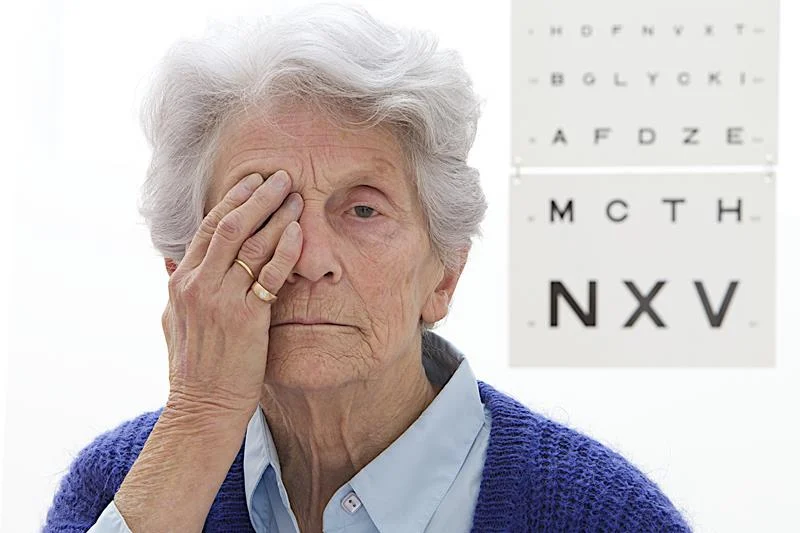
Hyperopia Treatment in Nashville, TN
Farsightedness, also called hyperopia, makes nearby objects look blurry and can leave your eyes tired after reading, sewing or working on a screen. At Bellevue Eye Care in…
Read More
Myopia Control in Nashville, TN
Nearsightedness, or myopia, makes distant objects look blurry while close-up objects stay clear. At Bellevue Eye Care, we correct myopia with accurate glasses and contact lens prescriptions. For children…
Read MoreWhat Is a Vision Disorder?
Most vision disorders are refractive errors. They happen when the shape of the eye, the cornea or the lens keeps light from focusing sharply on the retina. The result is blur at certain distances, eye strain, squinting or fatigue. Refractive errors are very common, affect people of all ages and can usually be corrected with the right lenses.
The most common vision disorders we diagnose and treat include:
- Myopia (nearsightedness): distant objects look blurry while close objects stay clear. Myopia often starts in childhood and can keep progressing through the teen years.
- Hyperopia (farsightedness): close-up tasks are harder to focus on, often causing eye strain and headaches during reading or screen work.
- Astigmatism: an irregularly curved cornea or lens causes blurred or distorted vision at all distances.
- Presbyopia: the age-related loss of near focusing that usually becomes noticeable in your 40s.
How We Diagnose Vision Problems
Every diagnosis begins with a comprehensive eye exam. Your optometrist checks how clearly you see at distance and up close, measures your exact prescription and evaluates how your eyes focus and work together. We also examine the health of the eye itself, because blur is not always a simple prescription issue. Changes in vision can sometimes point to conditions such as cataracts or keratoconus, and catching them early matters.
Children need their own approach. Kids rarely complain about blurry vision because they assume everyone sees the way they do. Our pediatric eye exams are designed to catch refractive errors and focusing problems that can affect reading, learning and sports.
Treatment Options That Fit Your Life
Once we know exactly what is affecting your vision, we recommend the correction that suits your eyes, your work and your hobbies:
- Eyeglasses with single-vision, bifocal or multifocal lenses, available in frames from our selection of eyewear brands.
- Contact lenses, including options for astigmatism and presbyopia, fitted for comfort and clear vision.
- Myopia management for children whose nearsightedness is progressing, with the goal of slowing how quickly their prescription changes.
- Screen-focused solutions for patients dealing with computer vision syndrome, eye strain and fatigue from long hours on digital devices.
For patients whose vision cannot be fully corrected with standard glasses or contacts, we also offer low vision care to help make the most of the sight you have.
Ongoing Care as Your Vision Changes
Your eyes change over time. A child’s nearsightedness may increase as they grow, and most adults eventually need help seeing up close. Regular exams let us update your prescription before blur and strain start to affect your day. Visit our new patients page to see what to expect at your first visit, or get to know our doctors on the Meet Our Team page.
Vision Disorder FAQs
What are the most common vision disorders?
The most common vision disorders are refractive errors: myopia (nearsightedness), hyperopia (farsightedness), astigmatism and presbyopia. All of them affect how light focuses on the retina and can usually be corrected with glasses or contact lenses.
How do I know if I have a vision disorder?
Common signs include blurry vision at distance or up close, squinting, frequent headaches, eye strain, trouble seeing at night and holding reading material farther away or closer than usual. A comprehensive eye exam is the only way to know for sure.
Can I have more than one vision disorder at the same time?
Yes. It is very common to have astigmatism along with myopia or hyperopia, and presbyopia can develop on top of any existing prescription. Your eye exam measures each of these so your lenses correct all of them together.
At what age should my child have their vision checked?
Children benefit from eye exams early in life and before starting school, then regularly as they grow. Kids often do not realize they cannot see clearly, so routine exams help catch vision problems that could affect learning.
Can nearsightedness in children be slowed down?
In many cases, yes. Myopia management focuses on slowing how quickly a child’s nearsightedness progresses. Our optometrists can evaluate your child and discuss whether a myopia control plan is a good fit.
Are contact lenses an option for astigmatism or presbyopia?
Yes. Toric contact lenses are designed to correct astigmatism, and multifocal contact lenses can help with presbyopia. We fit lenses to your eyes so they are comfortable and give you clear vision.
How often should I get my eyes checked if I wear glasses or contacts?
Most patients who wear glasses or contacts should have an eye exam every year. Regular visits keep your prescription current and allow us to monitor the overall health of your eyes.
See the World More Clearly
Whether you are noticing new blur, struggling with eye strain or want to check on your child’s vision, our team is here to help. Call (615) 662-7588 or request an appointment online, and ask about our payment plans.